Top 10 Medicinal Herbs Everyone Should Have in Their Home
- jenniferlynn611
- Feb 11, 2025
- 4 min read

Holistic and traditional medicine has been used for thousands of years, with roots in Ayurveda, Traditional Chinese Medicine (TCM), and Indigenous healing practices worldwide. The earliest recorded use of medicinal plants dates back over 5,000 years in Mesopotamian texts, and Chinese herbal medicine has been documented as far back as 3000 BCE. Today, modern science continues to validate the effectiveness of herbal remedies, with numerous studies highlighting their benefits for immune support, stress relief, and overall wellness.
Scientific Studies on Herbal Medicine
Recent research has shown that herbs can provide powerful healing properties. For example:
Turmeric contains curcumin, an anti-inflammatory compound studied for its effectiveness in reducing arthritis symptoms.
Ashwagandha has been shown to lower cortisol levels, reducing stress and anxiety.
Chamomile has been clinically proven to improve sleep quality and reduce mild to moderate anxiety.
Research continues to evolve as more and more herbs are recognized for their medicinal benefits.

How Herbs Can Be Used
Incorporating herbs into your daily life is easy and can be done in various forms:
Tinctures: Alcohol-based extracts that preserve the herb’s potency for long-term use. This is the best way to experience immediate benefits.
Teas & Infusions: Gentle and effective, providing immediate benefits for digestion, relaxation, and immune support.
Capsules & Powders: Convenient for daily supplementation.
Infused Oils & Salves: Used topically for skin health, muscle relief, and wound healing.
Now lets get into the top 10 most beneficial herbs everyone home should have on hand (along with some precautions).
The Top 10 Medicinal Herbs
1. Oregano (Origanum vulgare)
Background & History: Oregano has been used for centuries in Mediterranean and Greek medicine for respiratory and digestive health.
Where It’s Found: Native to the Mediterranean region; easy to grow in home gardens.
Benefits & Uses:
Antibacterial & Antiviral: Fights infections, colds, and flu.
Digestive Support: Helps with bloating and gut health.
Usage: Can be used as a tincture, infused oil, or in cooking.
Safety Precautions: May interact with blood thinners; avoid in high doses during pregnancy.
2. Rosemary (Rosmarinus officinalis)
Background & History: Used by the ancient Greeks and Romans for memory enhancement.
Where It’s Found: Mediterranean climate; grows well in home gardens.
Benefits & Uses:
Cognitive Support: Enhances memory and focus.
Circulatory Health: Improves blood flow and heart health.
Usage: Can be used in teas, tinctures, or essential oil applications.
Safety Precautions: May raise blood pressure in high doses; avoid if taking blood pressure medication.
3. Chamomile (Matricaria chamomilla)
Background & History: A staple in European folk medicine for relaxation and digestion.
Where It’s Found: Grows in temperate climates; easy to grow at home.
Benefits & Uses:
Sleep Aid: Promotes relaxation and relieves insomnia.
Digestive Health: Eases bloating and nausea.
Usage: Best used as a tea or infused oil.
Safety Precautions: May interact with blood thinners.
4. Ginger (Zingiber officinale)
Background & History: Used in Traditional Chinese Medicine and Ayurveda for digestive health.
Where It’s Found: Native to Southeast Asia; can be grown indoors.
Benefits & Uses:
Anti-Inflammatory: Reduces pain and swelling.
Nausea Relief: Effective against motion sickness and morning sickness.
Usage: Fresh, powdered, or in tea.
Safety Precautions: Can lower blood sugar levels; use caution with diabetes medications.
5. Ashwagandha (Withania somnifera)
Background & History: A revered adaptogen in Ayurveda for over 3,000 years.
Where It’s Found: Native to India; can be grown in warm climates.
Benefits & Uses:
Stress & Anxiety Reduction: Lowers cortisol levels.
Supports Immune Function: Boosts overall well-being.
Usage: Best taken as a tincture, powder, or capsule.
Safety Precautions: Avoid if pregnant or taking thyroid medication.
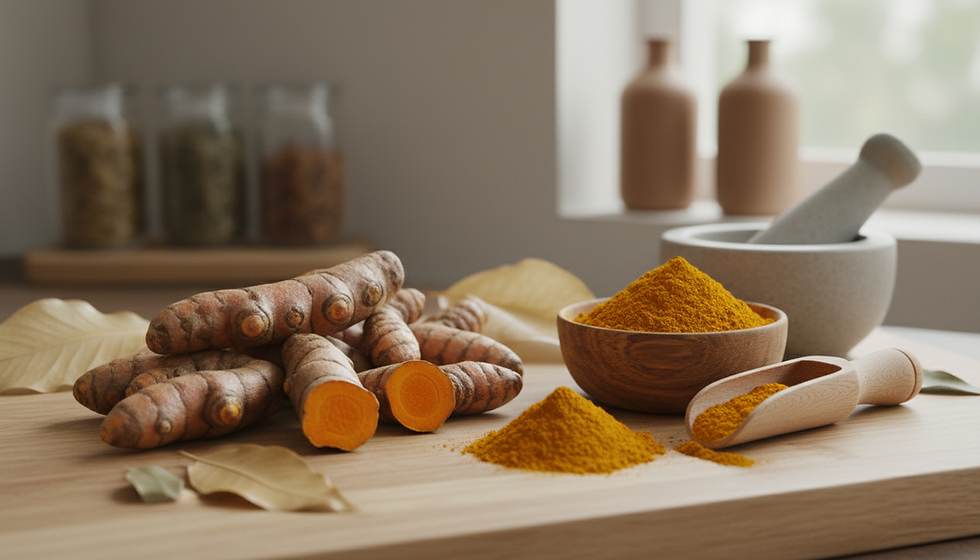
6. Turmeric (Curcuma longa)
Background & History: Used in Ayurveda for inflammation and liver health.
Where It’s Found: Native to India; requires a warm climate.
Benefits & Uses:
Anti-Inflammatory: Helps with arthritis and muscle pain.
Liver Detoxification: Supports digestion and detox pathways.
Usage: Used as golden milk, tinctures, or capsules.
Safety Precautions: May interact with blood thinners.
7. Garlic (Allium sativum)
Background & History: Used in Egyptian medicine for heart health.
Where It’s Found: Grows in various climates; easy to cultivate.
Benefits & Uses:
Immune Boosting: Helps fight infections.
Heart Health: Reduces blood pressure and cholesterol.
Usage: Raw, cooked, or in capsules.
Safety Precautions: Can increase bleeding risk; avoid before surgery.
8. Peppermint (Mentha piperita)
Background & History: Used in European herbalism for digestion and respiratory health.
Where It’s Found: Grows well in most climates.
Benefits & Uses:
Digestive Aid: Relieves bloating and nausea.
Headache Relief: Used in aromatherapy.
Usage: Tea, essential oil, or capsules.
Safety Precautions: May interact with acid reflux medications.
9. Echinacea (Echinacea purpurea)
Background & History: Used by Native American tribes for immune support.
Where It’s Found: Native to North America; easy to grow.
Benefits & Uses:
Boosts Immunity: Helps prevent colds and flu.
Wound Healing: Used topically for infections.
Usage: Tinctures, teas, or capsules.
Safety Precautions: Avoid with autoimmune disorders.
10. Lemon Balm (Melissa officinalis)
Background & History: Used in medieval times for stress relief.
Where It’s Found: Thrives in home gardens.
Benefits & Uses:
Reduces Anxiety & Insomnia: Calms the nervous system.
Supports Digestion: Relieves bloating and cramps.
Usage: Tea, tincture, or infused oil.
Safety Precautions: May interact with thyroid medications.
Safety Considerations & Contraindications
Always consult a healthcare provider before using herbal medicine, especially if pregnant, nursing, or taking medications.
Start with small doses to observe individual reactions.
Some herbs may interact with prescription medications.
About Jenn & Tonic
At Jenn & Tonic, we believe in the power of natural healing. Our handcrafted tinctures, teas, and beauty essentials are created with high-quality botanicals to support your wellness journey. Explore our offerings at www.jennandtonicbotanicalbar.com


Comments