The Ancient Art of Herbal Tinctures: A Timeless Remedy for Health and Wellness
- jenniferlynn611
- Jan 11, 2025
- 3 min read

Updated: Feb 2, 2025
A Journey Through Time: The History of Herbal Tinctures
Herbal tinctures have been a cornerstone of traditional medicine for thousands of years, dating back to ancient civilizations that recognized the healing power of plants. The practice of extracting medicinal compounds using alcohol, vinegar, or glycerin has been documented in cultures spanning from Ancient Egypt and China to medieval Europe and Native American traditions.
In Ancient Egypt, medicinal texts such as the Ebers Papyrus (circa 1550 BCE) referenced plant-based extractions, often combined with wine or vinegar, to create potent remedies for a variety of ailments. The Greeks and Romans, under the guidance of renowned physicians like Hippocrates and Galen, further advanced the use of herbal tinctures, prescribing plant extracts for digestion, wound healing, and immune support.
During the Middle Ages, European monks played a crucial role in refining tincture-making techniques, preserving herbal knowledge in monastic gardens and manuscripts. By the 16th and 17th centuries, alchemists and early pharmacists (apothecaries) standardized herbal tinctures as part of mainstream medicine, a practice that continued well into the 19th century before the rise of synthetic pharmaceuticals.
Today, the resurgence of interest in holistic health has brought herbal tinctures back into the spotlight, with people seeking natural alternatives to conventional medicine.

What is an Herbal Tincture?
An herbal tincture is a concentrated liquid extract derived from medicinal herbs. Unlike teas or capsules, tinctures use alcohol (or other solvents) to extract and preserve the active constituents of plants, creating a potent and long-lasting remedy.
The process involves:
Selecting the Right Herbs – Fresh or dried herbs are chosen based on their medicinal properties.
Extraction – The plant material is soaked in alcohol, glycerin, or vinegar for several weeks, allowing the solvent to draw out beneficial compounds.
Straining and Bottling – The liquid is separated from the plant material and stored in amber glass bottles to preserve potency.
Tinctures can be taken sublingually (under the tongue) for rapid absorption, diluted in water or tea, or incorporated into wellness routines.
Health Benefits of Herbal Tinctures
Tinctures offer a broad spectrum of health benefits, depending on the herbs used. Here are some of the most popular herbal tinctures and their therapeutic effects:
1. Immune Support
Elderberry (Sambucus nigra) – Boosts immunity and fights colds and flu.
Echinacea (Echinacea purpurea) – Strengthens the immune system and reduces the severity of infections.
2. Stress and Anxiety Relief
Ashwagandha (Withania somnifera) – An adaptogen that helps the body manage stress and promote relaxation.
Valerian Root (Valeriana officinalis) – A natural sedative that improves sleep quality and reduces anxiety.
3. Digestive Health
Ginger (Zingiber officinale) – Soothes nausea, supports digestion, and relieves bloating.
Peppermint (Mentha piperita) – Aids digestion, reduces bloating, and relieves irritable bowel syndrome (IBS) symptoms.
4. Pain and Inflammation Reduction
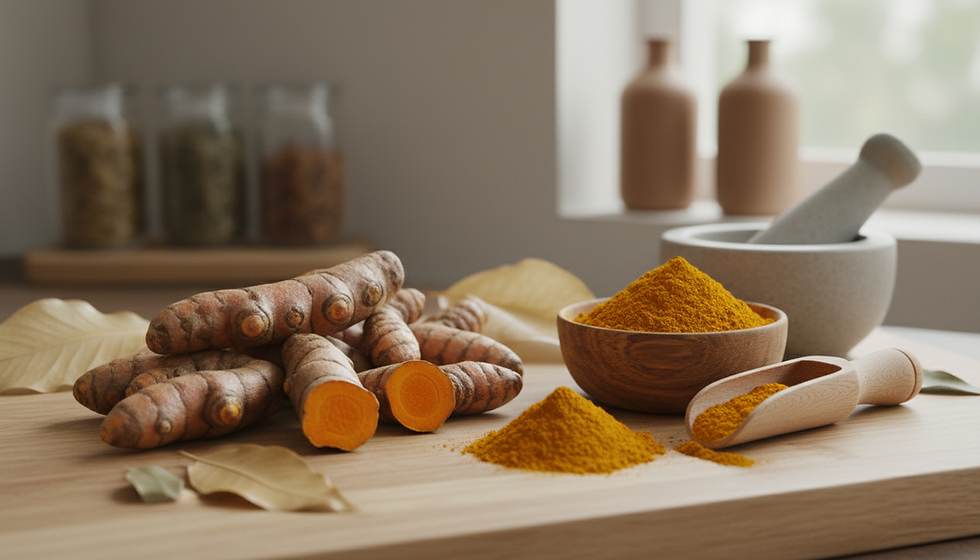
Turmeric (Curcuma longa) – Contains curcumin, a powerful anti-inflammatory compound beneficial for arthritis and joint pain.
White Willow Bark (Salix alba) – A natural pain reliever often referred to as "nature’s aspirin."
5. Hormonal Balance
Chasteberry (Vitex agnus-castus) – Supports female reproductive health and helps balance hormones.
Maca Root (Lepidium meyenii) – Enhances libido, boosts energy, and supports hormonal health.
6. Respiratory Health
Mullein (Verbascum thapsus) – Soothes respiratory ailments such as bronchitis and coughs.
Licorice Root (Glycyrrhiza glabra) – Helps with sore throats, coughs, and adrenal health.
Why Choose Herbal Tinctures Over Other Herbal Remedies?
Higher Potency – Tinctures are more concentrated than teas and capsules, allowing for smaller, more effective doses.
Longer Shelf Life – Alcohol-based tinctures can last for years without losing potency.
Faster Absorption – Sublingual (under the tongue) administration leads to quicker effects compared to capsules or teas.
Customizable Formulations – Tinctures can be blended to target specific health concerns.
How to Use Herbal Tinctures Safely
While herbal tinctures are natural, they are also potent. Here are a few guidelines to ensure safe use:
Dosage Matters – Follow recommended dosages on labels or consult an herbalist for personalized guidance.
Alcohol Sensitivity – If avoiding alcohol, opt for glycerin- or vinegar-based tinctures.
Check for Interactions – Some herbs may interact with medications. Always consult a healthcare provider before starting a new tincture.
Pregnancy & Children – Certain herbs may not be suitable for pregnant women or young children. Seek professional advice before use.
Final Thoughts: The Timeless Power of Herbal Tinctures
Herbal tinctures have stood the test of time as powerful natural remedies, offering holistic support for a wide range of health concerns. Whether you’re looking to boost immunity, manage stress, improve digestion, or balance hormones, these plant-based extracts provide an effective and time-honored solution.
As interest in herbal medicine continues to grow, incorporating tinctures into a modern wellness routine is a simple yet profound way to reconnect with nature’s healing power.


Comments